KELP applies satellite earth observation, geospatial analysis, and AI across two domains: understanding how the environment is changing, and helping organisations respond to societal challenges.
Data is increasingly open, frequent, and global, but it rarely reaches decision makers in a form they can use. KELP closes that gap, turning satellite and spatial data into clear, validated answers that hold up to scrutiny, across monitoring, risk assessment, and long-term planning.
Alongside client work, KELP has delivered earth observation workshops and training with research institutions in East Africa, and continues to build international relationships and ongoing training opportunities in remote sensing and AI. It is a strand of the work the company intends to grow over time.
Four principles shape every engagement.
KELP's methods are grounded in peer-reviewed research. Every result is tested against independent evidence and reported with its confidence and limitations made plain, so decisions rest on what the data can genuinely support.
Technical depth only matters if it reaches the people making the decision. KELP translates complex analysis into clear maps, visuals, and plain language, while keeping the full reasoning open for anyone who wants to look closer.
Every engagement starts from a real decision and works back to the data and methods that serve it. Success is measured by what an organisation is able to do differently once the work lands.
Each project is documented and structured so it can be revisited, extended, and understood well after delivery, leaving clients with lasting capability they own and can keep building on.
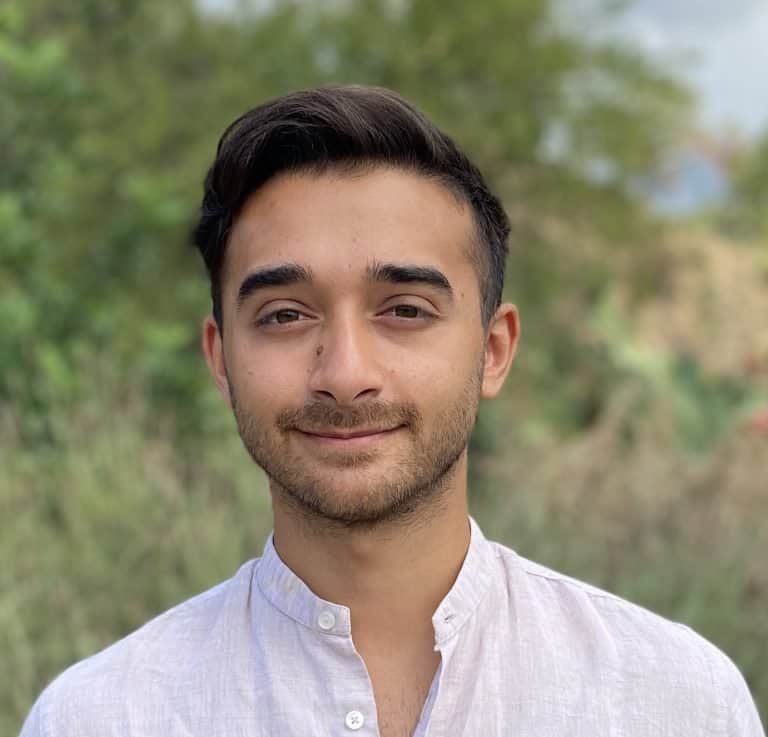
Davide founded KELP in 2024 while completing his PhD in Earth Observation Science at King's College London, following an MSc in Applied Computational Science and Engineering at Imperial College London. His doctoral research applied deep learning to multi-sensor satellite imagery for harmful algal bloom detection and water quality monitoring in tropical lakes, with fieldwork across the African Great Lakes region.
He presents this work regularly at scientific conferences and to industry and policy audiences, translating technical earth observation research into terms managers, regulators, and decision makers can act on. His research is published across leading earth observation and environmental science journals, and includes LAQUA, an open-source satellite water quality tool.
Presenting and teaching, from UK seminars to earth observation workshops in East Africa.